


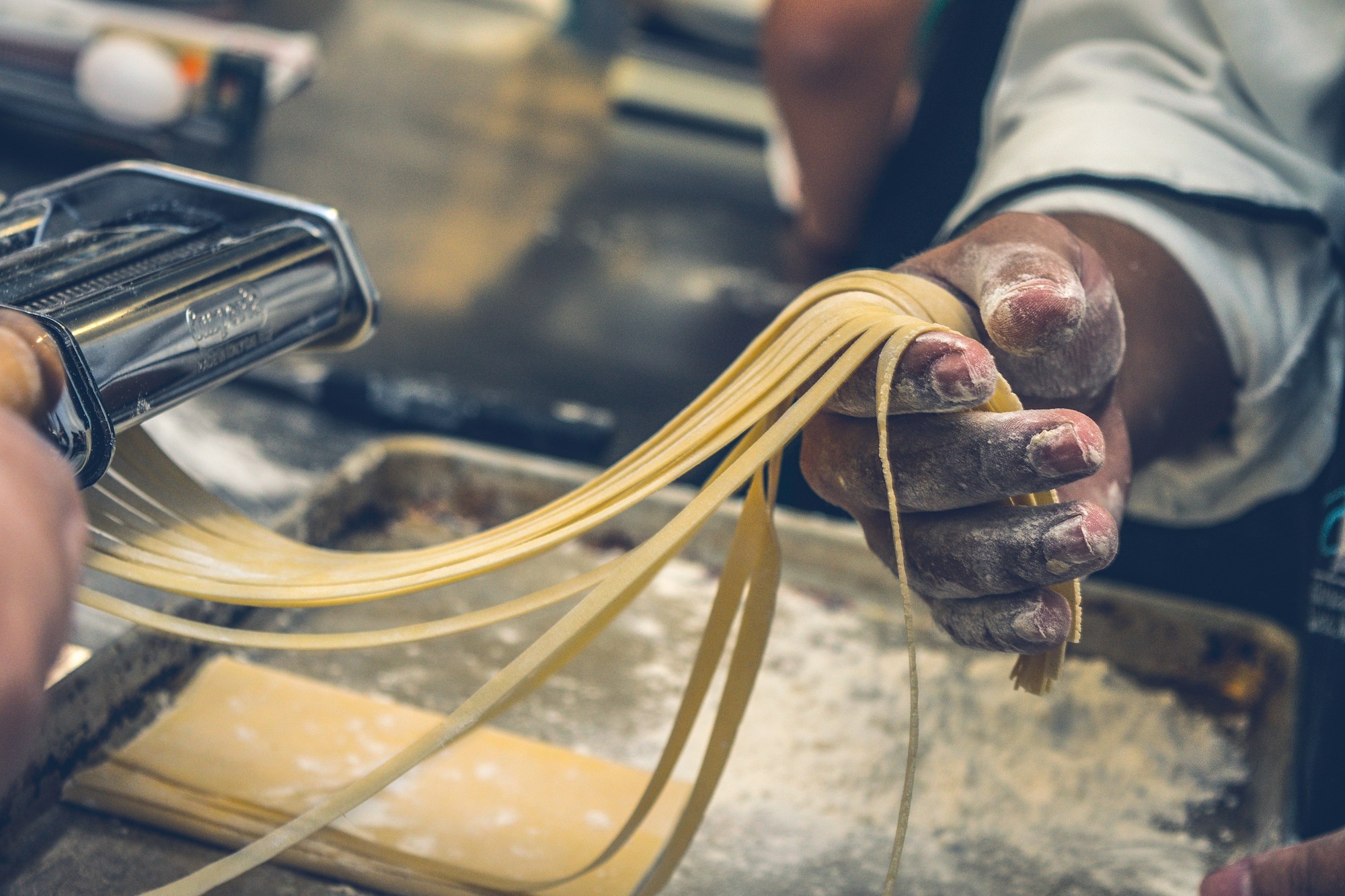
Authentic Italian food has always started with a person. A grandmother in Naples who knows exactly when the ragù is ready. A cheesemaker in Campania who feels the curd with his hands. A young cook who kneads the same dough a thousand times before it finally obeys him. After almost forty years cooking in Japan, I still believe this. And this month, a little to my surprise, the food industry seems to agree.
One of the big American specialty food associations has just published its forecast for 2027. Among the trends, one caught my eye immediately. They call it “Human-Coded”. The idea is simple: as images, texts and even products made with artificial intelligence become harder to recognise, people stop trusting beautiful pictures and start looking for proof. The name of a real maker. A harvest date. A batch number. Something human that you can check.
Why authentic Italian food is becoming a question of trust
I find this beautiful, and a little ironic. For generations in Italy, this proof was never written on a label. You knew the baker. You knew which farm the milk came from. The guarantee was a face and a name, and a reputation built over many years. Today we need forecasts and codes to rediscover something our grandparents took for granted.
The same forecast describes consumers who are tired, careful with money and a little anxious, and who want food that is joyful and real. Other trend reports for 2027 talk about terroir and the taste of place, about protected origins and shorter ingredient lists. Different words, one message: people want to know who made their food, where and how.

A name, a date, a pair of hands
This is not new for me. As a global ambassador of Mozzarella di Bufala Campana DOP, I have spent years explaining why a protected name matters. The DOP mark is a human code in its purest form: it tells you the territory, the rules and the people behind a product. It is a promise that someone is responsible.
In Neapolitan pizza it is the same. The art of the pizzaiuolo, recognised by UNESCO, is not a recipe. It is a gesture passed from hand to hand. You can describe it in a book, but you learn it only by standing next to someone who knows. In my career I have trained almost a thousand pizzaiuoli around the world, and I can tell you: no two hands are the same, and that is exactly the point.
What I learned in Nakameguro
When I opened my first restaurant in Nakameguro in 1995, Neapolitan pizza was almost unknown in Japan. I was not really trying to sell pizza. I was trying to explain that pizza must be made by a pizzaiuolo, a craftsman with his own skills, different from a chef. It took almost ten years for the market to understand.
Those years taught me that trust cannot be advertised. It is built plate by plate, guest by guest. People came back because they could see the dough being stretched, smell the wood fire and talk to the person who made their dinner. The human code was right there, in front of them.
Machines can help. They cannot taste.
I am not against technology. In my work today we use machines every day: ovens with precise temperatures, blast freezers, even vending machines that serve our food twenty-four hours a day. Technology helps us to be consistent and to reach more people. I am grateful for it.
But a machine cannot decide when a dough is ready. It cannot taste a tomato and say, “Today we need a little more salt.” It cannot feel proud. In the end, someone has to stand behind the food and say: I made this, and I am responsible for it. That sentence is the real luxury of the future.
Italyeria: my name on the box
This is the philosophy behind Italyeria, my project of frozen Italian food at the highest level. At our production lab in Oita, we prepare pizza, pasta and desserts the way we would in a restaurant kitchen, freeze them at the right moment and deliver them to homes all over Japan. My dream is simple: if you cannot come to my table, I come to yours.
When a product carries my name, it is not decoration. It means I tasted it, I discussed it with my team, and I am ready to answer for it. The same is true for Casa Cuomo Farm in Hita, where we grow vegetables in Japanese soil with Italian ideas. A farm has a place and a season. You can go and see it. That is the most honest label I know.

The human code is also about passing knowledge on. In this conversation, recorded after the Salvatore Cuomo Cup final, I talk with world champion pizzaiolo Makoto Onishi about young artisans, creativity and the future of pizza in Japan.
A small promise for 2027
So here is my promise for the new year. In a world full of perfect images, we will keep showing the real thing: the hands, the flour on the table, the names of the people who cook and the places our ingredients come from. Not because a trend report says so, but because this is what Italian food has always been.
Next time you buy something to eat, ask yourself a simple question: who made this? If there is a real answer, with a name and a story, you are probably holding authentic Italian food. Or simply good food. In the end, it is the same thing.
Salvatore Cuomo
AI時代の本物のイタリア料理 ― なぜ「人の手」が大切なのか
本物のイタリア料理は、いつも一人の人間から始まります。ラグーが仕上がる瞬間を正確に知っているナポリのおばあさん。手でカードの具合を確かめるカンパーニアのチーズ職人。生地が言うことを聞いてくれるまで、同じ生地を何千回もこね続ける若い料理人。日本で40年近く料理をしてきた今も、私はそう信じています。そして今月、少し驚いたことに、食の業界も同じことを言い始めました。
アメリカの大手スペシャルティフード団体が、2027年のトレンド予測を発表しました。その中で、ひとつの言葉がすぐに目に留まりました。「ヒューマン・コーデッド(Human-Coded)」です。考え方はシンプルです。人工知能で作られた画像や文章、さらには商品までもが見分けにくくなるにつれて、人々は美しい写真を信じなくなり、「証拠」を求めるようになる。本当の作り手の名前、収穫日、ロット番号。確かめることのできる、人間らしい何かです。
本物のイタリア料理が「信頼」の問題になりつつある理由
私はこれを美しいと思うと同時に、少し皮肉にも感じます。イタリアでは何世代にもわたって、こうした証拠がラベルに書かれることはありませんでした。パン屋の顔を知っていて、牛乳がどの農家から来たのかを知っていた。保証とは、顔と名前、そして長い年月をかけて築かれた評判だったのです。今、私たちは予測やコードに頼って、祖父母の世代には当たり前だったものを取り戻そうとしています。
同じ予測は、疲れていて、お金に慎重で、少し不安を抱えた消費者の姿を描き、彼らが楽しくて本物の食べ物を求めていると伝えています。2027年に向けた他のトレンドレポートも、テロワールや土地の味、保護された産地、そしてより短い原材料表示について語っています。言葉は違っても、メッセージはひとつ。人々は、誰が、どこで、どのように自分の食べ物を作ったのかを知りたいのです。
名前、日付、そして二つの手
これは私にとって新しい話ではありません。モッツァレッラ・ディ・ブーファラ・カンパーナDOPのグローバル・アンバサダーとして、私は長年、保護された名前がなぜ大切なのかを伝えてきました。DOPのマークは、もっとも純粋なかたちの「ヒューマン・コード」です。その製品の背後にある土地、ルール、そして人々を教えてくれます。誰かが責任を持っている、という約束なのです。
ナポリピッツァも同じです。ユネスコに認められたピッツァイオーロの技は、レシピではありません。手から手へと受け継がれていく所作です。本に書くことはできても、それを知る人の隣に立たなければ身につけることはできません。私はこれまでのキャリアで、世界中で1,000人近くのピッツァイオーロを育ててきました。だからこそ言えます。同じ手は二つとない。そして、それこそが大切なのです。
中目黒で学んだこと
1995年に中目黒で最初の店を開いたとき、日本ではナポリピッツァはほとんど知られていませんでした。私は、ピッツァを売ろうとしていたわけではありません。ピッツァはピッツァイオーロが作るもの、料理人とは異なる技を持つ職人が作るものだということを伝えようとしていたのです。市場に理解してもらうまでに、10年近くかかりました。
その年月が教えてくれたのは、信頼は広告では作れないということです。一皿ずつ、一人のお客様ずつ、積み重ねていくものです。お客様が戻ってきてくださったのは、生地が伸ばされるのを目にし、薪窯の香りを感じ、自分の夕食を作った人と話ができたからです。「ヒューマン・コード」は、まさに目の前にあったのです。
機械は助けてくれる。でも、味わうことはできない
私はテクノロジーに反対しているわけではありません。今の仕事でも、私たちは毎日機械を使っています。温度を正確に管理できるオーブン、急速冷凍機、そして私たちの料理を24時間提供する自動販売機まで。テクノロジーのおかげで、品質を安定させ、より多くの人に届けることができます。心から感謝しています。
けれども機械には、生地がいつ仕上がったかを決めることはできません。トマトを味わって「今日は塩をもう少し」と言うこともできません。誇りを感じることもできません。最後には、誰かが料理の後ろに立って「これは私が作りました。責任は私にあります」と言わなければならないのです。その一言こそが、これからの本当のラグジュアリーだと私は思います。
Italyeria ― 箱に記された私の名前
これが、最高レベルの冷凍イタリア料理をお届けする私のプロジェクト、Italyeriaの哲学です。大分の製造ラボでは、レストランの厨房と同じようにピッツァやパスタ、ドルチェを仕込み、最適なタイミングで冷凍して、日本全国のご家庭へお届けしています。私の夢はシンプルです。皆さんが私のテーブルに来られないなら、私が皆さんのテーブルへ伺います。
製品に私の名前が入っているのは、飾りではありません。私が味わい、チームと話し合い、責任を持って答えられるという意味です。日田のCasa Cuomo Farmも同じです。そこでは日本の土で、イタリアの発想を持って野菜を育てています。畑には場所があり、季節があります。実際に訪れて見ることもできます。これほど正直なラベルを、私は他に知りません。
「ヒューマン・コード」とは、知識を次の世代へ伝えることでもあります。サルヴァトーレ・クオモ・カップの決勝のあとに収録したこの対談では、世界チャンピオンのピッツァ職人・大西誠さんと、若い職人たち、創造性、そして日本のピッツァの未来について語っています。
2027年への小さな約束
ですから、新しい年に向けて私から約束をひとつ。完璧な画像があふれる世界の中で、私たちはこれからも本物を見せ続けます。手、台の上の小麦粉、料理をする人たちの名前、そして食材がやってくる場所。トレンドレポートがそう言うからではありません。イタリア料理とは、もともとそういうものだからです。
次に何か食べるものを買うとき、ひとつだけシンプルな質問をしてみてください。「これは誰が作ったのだろう?」。名前と物語のある本当の答えがあるなら、あなたが手にしているのは、おそらく本物のイタリア料理です。あるいは、ただおいしい料理。結局のところ、それは同じことなのです。
サルヴァトーレ・クオモ
Cucina italiana autentica nell’era dell’IA: perché conta la mano dell’uomo
La cucina italiana autentica è sempre cominciata da una persona. Una nonna di Napoli che sa esattamente quando il ragù è pronto. Un casaro campano che sente la cagliata con le mani. Un giovane cuoco che lavora lo stesso impasto mille volte prima che finalmente gli obbedisca. Dopo quasi quarant’anni di cucina in Giappone, ci credo ancora. E questo mese, con un po’ di sorpresa, anche il mondo del food sembra darmi ragione.
Una delle grandi associazioni americane dello specialty food ha appena pubblicato le sue previsioni per il 2027. Tra le tendenze, una mi ha colpito subito. La chiamano “Human-Coded”. L’idea è semplice: man mano che immagini, testi e perfino prodotti creati con l’intelligenza artificiale diventano più difficili da riconoscere, la gente smette di fidarsi delle belle foto e comincia a cercare prove. Il nome di un produttore vero. Una data di raccolta. Un numero di lotto. Qualcosa di umano, che si possa verificare.
Perché la cucina italiana autentica sta diventando una questione di fiducia
Lo trovo bellissimo, e anche un po’ ironico. Per generazioni, in Italia, questa prova non è mai stata scritta su un’etichetta. Conoscevi il fornaio. Sapevi da quale fattoria arrivava il latte. La garanzia era un volto e un nome, e una reputazione costruita in tanti anni. Oggi ci servono previsioni e codici per riscoprire qualcosa che i nostri nonni davano per scontato.
La stessa previsione descrive consumatori stanchi, attenti ai soldi e un po’ ansiosi, che vogliono un cibo gioioso e vero. Altri rapporti sulle tendenze del 2027 parlano di terroir e di sapore del luogo, di origini protette e di liste di ingredienti più corte. Parole diverse, un solo messaggio: le persone vogliono sapere chi ha fatto il loro cibo, dove e come.
Un nome, una data, due mani
Per me non è una novità. Come ambasciatore nel mondo della Mozzarella di Bufala Campana DOP, ho passato anni a spiegare perché un nome protetto è importante. Il marchio DOP è un codice umano nella sua forma più pura: ti dice il territorio, le regole e le persone che stanno dietro a un prodotto. È la promessa che qualcuno ne risponde.
Nella pizza napoletana è lo stesso. L’arte del pizzaiuolo, riconosciuta dall’UNESCO, non è una ricetta. È un gesto che passa di mano in mano. Puoi descriverlo in un libro, ma lo impari solo stando accanto a chi lo sa fare. Nella mia carriera ho formato quasi mille pizzaiuoli nel mondo, e posso dirvelo: non esistono due mani uguali, ed è proprio questo il punto.
Quello che ho imparato a Nakameguro
Quando ho aperto il mio primo ristorante a Nakameguro, nel 1995, la pizza napoletana in Giappone era quasi sconosciuta. Non cercavo davvero di vendere pizza. Cercavo di spiegare che la pizza deve farla il pizzaiuolo, un artigiano con un suo mestiere, diverso da quello dello chef. Ci sono voluti quasi dieci anni perché il mercato lo capisse.
Quegli anni mi hanno insegnato che la fiducia non si compra con la pubblicità. Si costruisce piatto dopo piatto, cliente dopo cliente. La gente tornava perché poteva vedere l’impasto che veniva steso, sentire il profumo del forno a legna e parlare con la persona che le aveva preparato la cena. Il codice umano era lì, davanti ai loro occhi.
Le macchine possono aiutare. Non possono assaggiare.
Non sono contro la tecnologia. Nel mio lavoro di oggi usiamo macchine tutti i giorni: forni con temperature precise, abbattitori, perfino distributori automatici che servono la nostra cucina ventiquattro ore su ventiquattro. La tecnologia ci aiuta a essere costanti e ad arrivare a più persone. Le sono grato.
Ma una macchina non può decidere quando un impasto è pronto. Non può assaggiare un pomodoro e dire: “Oggi ci vuole un po’ più di sale.” Non può sentirsi orgogliosa. Alla fine, qualcuno deve stare dietro al cibo e dire: l’ho fatto io, e ne rispondo io. Quella frase è il vero lusso del futuro.
Italyeria: il mio nome sulla scatola
È questa la filosofia di Italyeria, il mio progetto di cucina italiana surgelata di altissimo livello. Nel nostro laboratorio di produzione a Oita prepariamo pizza, pasta e dolci come faremmo nella cucina di un ristorante, li surgeliamo al momento giusto e li consegniamo nelle case di tutto il Giappone. Il mio sogno è semplice: se voi non potete venire alla mia tavola, vengo io alla vostra.
Quando un prodotto porta il mio nome, non è una decorazione. Significa che l’ho assaggiato, che ne ho discusso con la mia squadra e che sono pronto a risponderne. Lo stesso vale per la Casa Cuomo Farm di Hita, dove coltiviamo ortaggi in terra giapponese con idee italiane. Un campo ha un luogo e una stagione. Puoi andare a vederlo. È l’etichetta più onesta che conosca.
Il codice umano è anche trasmettere il sapere. In questa conversazione, registrata dopo la finale della Salvatore Cuomo Cup, parlo con il campione del mondo Makoto Onishi di giovani artigiani, di creatività e del futuro della pizza in Giappone.
Una piccola promessa per il 2027
Ecco allora la mia promessa per il nuovo anno. In un mondo pieno di immagini perfette, continueremo a mostrare la cosa vera: le mani, la farina sul tavolo, i nomi delle persone che cucinano e i luoghi da cui arrivano i nostri ingredienti. Non perché lo dice un rapporto sulle tendenze, ma perché la cucina italiana è sempre stata questo.
La prossima volta che comprate qualcosa da mangiare, fatevi una domanda semplice: chi l’ha fatto? Se c’è una risposta vera, con un nome e una storia, probabilmente avete in mano cucina italiana autentica. O semplicemente buon cibo. Alla fine, è la stessa cosa.
Salvatore Cuomo
La cuisine italienne authentique à l’ère de l’IA : pourquoi la main de l’homme compte
La cuisine italienne authentique a toujours commencé par une personne. Une grand-mère napolitaine qui sait exactement quand le ragù est prêt. Un fromager de Campanie qui sent le caillé avec ses mains. Un jeune cuisinier qui pétrit mille fois la même pâte avant qu’elle ne finisse par lui obéir. Après près de quarante ans de cuisine au Japon, j’y crois toujours. Et ce mois-ci, un peu à ma surprise, le monde de l’alimentation semble me donner raison.
L’une des grandes associations américaines de l’épicerie fine vient de publier ses prévisions pour 2027. Parmi les tendances, l’une a tout de suite retenu mon attention. Elle s’appelle « Human-Coded ». L’idée est simple : à mesure que les images, les textes et même les produits créés par l’intelligence artificielle deviennent plus difficiles à reconnaître, les gens cessent de faire confiance aux belles photos et commencent à chercher des preuves. Le nom d’un vrai producteur. Une date de récolte. Un numéro de lot. Quelque chose d’humain, que l’on peut vérifier.
Pourquoi la cuisine italienne authentique devient une question de confiance
Je trouve cela très beau, et un peu ironique. Pendant des générations, en Italie, cette preuve n’a jamais été écrite sur une étiquette. On connaissait le boulanger. On savait de quelle ferme venait le lait. La garantie, c’était un visage et un nom, et une réputation bâtie au fil des années. Aujourd’hui, il nous faut des prévisions et des codes pour redécouvrir ce que nos grands-parents considéraient comme une évidence.
La même étude décrit des consommateurs fatigués, prudents avec leur argent et un peu inquiets, qui veulent une nourriture joyeuse et vraie. D’autres rapports de tendances pour 2027 parlent de terroir et du goût du lieu, d’origines protégées et de listes d’ingrédients plus courtes. Des mots différents, un seul message : les gens veulent savoir qui a fait ce qu’ils mangent, où et comment.
Un nom, une date, deux mains
Ce n’est pas nouveau pour moi. En tant qu’ambassadeur mondial de la Mozzarella di Bufala Campana DOP, j’ai passé des années à expliquer pourquoi un nom protégé est important. Le label DOP est un code humain dans sa forme la plus pure : il vous dit le territoire, les règles et les personnes qui se trouvent derrière un produit. C’est la promesse que quelqu’un en répond.
Pour la pizza napolitaine, c’est pareil. L’art du pizzaiuolo, reconnu par l’UNESCO, n’est pas une recette. C’est un geste qui se transmet de main en main. On peut le décrire dans un livre, mais on ne l’apprend qu’en se tenant à côté de quelqu’un qui sait. Au cours de ma carrière, j’ai formé près d’un millier de pizzaiuoli dans le monde, et je peux vous le dire : il n’existe pas deux mains identiques, et c’est justement là l’essentiel.
Ce que j’ai appris à Nakameguro
Quand j’ai ouvert mon premier restaurant à Nakameguro en 1995, la pizza napolitaine était presque inconnue au Japon. Je ne cherchais pas vraiment à vendre de la pizza. Je cherchais à expliquer que la pizza doit être faite par un pizzaiuolo, un artisan avec son propre savoir-faire, différent de celui d’un chef. Il a fallu près de dix ans pour que le marché le comprenne.
Ces années m’ont appris que la confiance ne s’achète pas avec de la publicité. Elle se construit assiette après assiette, client après client. Les gens revenaient parce qu’ils pouvaient voir la pâte s’étirer, sentir le feu de bois et parler à la personne qui avait préparé leur dîner. Le code humain était là, sous leurs yeux.
Les machines peuvent aider. Elles ne peuvent pas goûter.
Je ne suis pas contre la technologie. Dans mon travail d’aujourd’hui, nous utilisons des machines tous les jours : des fours aux températures précises, des cellules de surgélation, et même des distributeurs automatiques qui servent notre cuisine vingt-quatre heures sur vingt-quatre. La technologie nous aide à être réguliers et à toucher plus de monde. Je lui en suis reconnaissant.
Mais une machine ne peut pas décider quand une pâte est prête. Elle ne peut pas goûter une tomate et dire : « Aujourd’hui, il faut un peu plus de sel. » Elle ne peut pas être fière. Au bout du compte, quelqu’un doit se tenir derrière ce que l’on mange et dire : c’est moi qui l’ai fait, et j’en réponds. Cette phrase est le vrai luxe de demain.
Italyeria : mon nom sur la boîte
C’est la philosophie d’Italyeria, mon projet de cuisine italienne surgelée du plus haut niveau. Dans notre laboratoire de production à Oita, nous préparons pizzas, pâtes et desserts comme nous le ferions dans la cuisine d’un restaurant, nous les surgelons au bon moment et nous les livrons dans les foyers de tout le Japon. Mon rêve est simple : si vous ne pouvez pas venir à ma table, c’est moi qui viens à la vôtre.
Quand un produit porte mon nom, ce n’est pas une décoration. Cela veut dire que je l’ai goûté, que j’en ai parlé avec mon équipe et que je suis prêt à en répondre. C’est la même chose pour la Casa Cuomo Farm à Hita, où nous cultivons des légumes dans la terre japonaise avec des idées italiennes. Un champ a un lieu et une saison. On peut aller le voir. C’est l’étiquette la plus honnête que je connaisse.
Le code humain, c’est aussi transmettre le savoir. Dans cette conversation, enregistrée après la finale de la Salvatore Cuomo Cup, je parle avec le champion du monde de pizza Makoto Onishi des jeunes artisans, de la créativité et de l’avenir de la pizza au Japon.
Une petite promesse pour 2027
Voici donc ma promesse pour la nouvelle année. Dans un monde rempli d’images parfaites, nous continuerons à montrer le vrai : les mains, la farine sur la table, les noms de ceux qui cuisinent et les lieux d’où viennent nos ingrédients. Pas parce qu’un rapport de tendances le dit, mais parce que la cuisine italienne a toujours été cela.
La prochaine fois que vous achèterez quelque chose à manger, posez-vous une question simple : qui a fait cela ? S’il existe une vraie réponse, avec un nom et une histoire, vous tenez probablement entre vos mains une cuisine italienne authentique. Ou simplement une bonne cuisine. Au fond, c’est la même chose.
Salvatore Cuomo
AI 시대의 진정한 이탈리아 요리: 왜 사람의 손이 중요한가
진정한 이탈리아 요리는 언제나 한 사람에게서 시작되었습니다. 라구가 완성되는 순간을 정확히 아는 나폴리의 할머니. 손으로 커드의 상태를 느끼는 캄파니아의 치즈 장인. 반죽이 마침내 말을 들을 때까지 같은 반죽을 천 번이고 치대는 젊은 요리사. 일본에서 40년 가까이 요리를 해 온 지금도 저는 그렇게 믿습니다. 그리고 이번 달, 조금 놀랍게도 식품 업계 역시 같은 이야기를 하기 시작했습니다.
미국의 대표적인 스페셜티 푸드 협회 가운데 한 곳이 2027년 트렌드 전망을 발표했습니다. 그중 한 가지가 곧바로 제 눈에 들어왔습니다. 바로 ‘휴먼 코디드(Human-Coded)’입니다. 생각은 단순합니다. 인공지능으로 만든 이미지와 글, 심지어 제품까지 구별하기 어려워지면서, 사람들은 아름다운 사진을 믿지 않고 증거를 찾기 시작한다는 것입니다. 실제 생산자의 이름, 수확 날짜, 로트 번호. 직접 확인할 수 있는, 사람다운 무언가 말입니다.
진정한 이탈리아 요리가 ‘신뢰’의 문제가 되고 있는 이유
저는 이것이 아름답다고 느끼는 동시에 조금은 아이러니하다고 생각합니다. 이탈리아에서는 여러 세대에 걸쳐 이런 증거가 라벨에 적힌 적이 없었습니다. 빵집 주인을 알고 있었고, 우유가 어느 농장에서 오는지 알고 있었습니다. 보증이란 얼굴과 이름, 그리고 오랜 세월에 걸쳐 쌓아 온 평판이었습니다. 오늘날 우리는 전망과 코드에 기대어, 우리 조부모 세대에게는 당연했던 것을 다시 찾으려 하고 있습니다.
같은 전망은 지치고, 돈에 신중하며, 조금은 불안한 소비자들이 즐겁고 진짜인 음식을 원한다고 이야기합니다. 2027년을 위한 다른 트렌드 보고서들도 테루아와 장소의 맛, 보호된 원산지, 그리고 더 짧은 원재료 목록을 이야기합니다. 표현은 달라도 메시지는 하나입니다. 사람들은 누가, 어디서, 어떻게 자신의 음식을 만들었는지 알고 싶어 합니다.
이름, 날짜, 그리고 두 손
제게 이것은 새로운 이야기가 아닙니다. 모차렐라 디 부팔라 캄파나 DOP의 글로벌 앰배서더로서, 저는 오랫동안 보호된 이름이 왜 중요한지 설명해 왔습니다. DOP 마크는 가장 순수한 형태의 ‘휴먼 코드’입니다. 한 제품 뒤에 있는 땅과 규칙, 그리고 사람들을 알려 줍니다. 누군가 책임을 지고 있다는 약속입니다.
나폴리 피자도 마찬가지입니다. 유네스코가 인정한 피자이올로의 기술은 레시피가 아닙니다. 손에서 손으로 전해지는 몸짓입니다. 책으로 설명할 수는 있어도, 그것을 아는 사람 곁에 서 있어야만 배울 수 있습니다. 저는 지금까지 전 세계에서 천 명 가까운 피자이올로를 길러 냈습니다. 그래서 말씀드릴 수 있습니다. 똑같은 손은 하나도 없으며, 바로 그것이 핵심입니다.
나카메구로에서 배운 것
1995년 나카메구로에 첫 레스토랑을 열었을 때, 일본에서 나폴리 피자는 거의 알려져 있지 않았습니다. 저는 사실 피자를 팔려고 했던 것이 아닙니다. 피자는 셰프와는 다른 자신만의 기술을 가진 장인, 즉 피자이올로가 만들어야 한다는 것을 설명하려 했습니다. 시장이 이를 이해하기까지 거의 10년이 걸렸습니다.
그 시간은 신뢰는 광고로 만들 수 없다는 것을 가르쳐 주었습니다. 신뢰는 한 접시씩, 한 분의 손님씩 쌓아 가는 것입니다. 손님들이 다시 찾아 주신 것은 반죽이 늘어나는 모습을 보고, 장작 화덕의 향을 맡고, 자신의 저녁을 만든 사람과 이야기를 나눌 수 있었기 때문입니다. ‘휴먼 코드’는 바로 그들 눈앞에 있었습니다.
기계는 도울 수 있다. 하지만 맛볼 수는 없다
저는 기술에 반대하지 않습니다. 지금 제 일에서도 우리는 매일 기계를 사용합니다. 온도를 정확하게 맞추는 오븐, 급속 냉동기, 그리고 우리의 요리를 24시간 제공하는 자동판매기까지. 기술 덕분에 우리는 품질을 일정하게 유지하고 더 많은 사람에게 다가갈 수 있습니다. 진심으로 감사하게 생각합니다.
하지만 기계는 반죽이 언제 완성되었는지 결정할 수 없습니다. 토마토를 맛보고 “오늘은 소금을 조금 더 넣어야겠다”라고 말할 수도 없습니다. 자부심을 느낄 수도 없습니다. 결국 누군가는 음식 뒤에 서서 “이것은 제가 만들었고, 제가 책임집니다”라고 말해야 합니다. 그 한마디야말로 앞으로의 진정한 럭셔리라고 저는 생각합니다.
Italyeria: 상자에 적힌 제 이름
이것이 최고 수준의 냉동 이탈리아 요리를 선보이는 제 프로젝트, Italyeria의 철학입니다. 오이타의 생산 랩에서 우리는 레스토랑 주방에서처럼 피자와 파스타, 디저트를 준비하고, 가장 알맞은 순간에 냉동하여 일본 전국의 가정으로 배송합니다. 제 꿈은 단순합니다. 여러분이 제 식탁에 오실 수 없다면, 제가 여러분의 식탁으로 가겠습니다.
제품에 제 이름이 들어간다는 것은 장식이 아닙니다. 제가 직접 맛보고, 팀과 함께 의논했으며, 책임지고 답할 준비가 되어 있다는 뜻입니다. 히타의 Casa Cuomo Farm도 마찬가지입니다. 그곳에서 우리는 일본의 흙에서 이탈리아의 아이디어로 채소를 키웁니다. 밭에는 장소가 있고 계절이 있습니다. 직접 가서 볼 수도 있습니다. 제가 아는 가장 정직한 라벨입니다.
‘휴먼 코드’는 지식을 다음 세대에 전하는 일이기도 합니다. 살바토레 쿠오모 컵 결승전이 끝난 뒤 녹화한 이 대담에서, 저는 세계 챔피언 피자 장인 오니시 마코토 씨와 젊은 장인들, 창의성, 그리고 일본 피자의 미래에 대해 이야기를 나눕니다.
2027년을 위한 작은 약속
그래서 새해를 맞아 저의 약속을 하나 드립니다. 완벽한 이미지가 넘쳐 나는 세상에서, 우리는 앞으로도 진짜를 보여 드리겠습니다. 손, 도마 위의 밀가루, 요리하는 사람들의 이름, 그리고 식재료가 오는 장소를요. 트렌드 보고서가 그렇게 말해서가 아니라, 이탈리아 요리는 원래 그런 것이기 때문입니다.
다음에 먹을 것을 사실 때, 간단한 질문 하나를 던져 보십시오. ‘이것은 누가 만들었을까?’ 이름과 이야기가 담긴 진짜 대답이 있다면, 여러분이 들고 있는 것은 아마도 진정한 이탈리아 요리일 것입니다. 혹은 그저 좋은 음식이겠지요. 결국 그 둘은 같은 것입니다.
살바토레 쿠오모
AI时代的正宗意大利美食:为什么人的双手依然重要
正宗的意大利美食,向来是从一个人开始的。那不勒斯的老奶奶,准确地知道肉酱什么时候炖好。坎帕尼亚的奶酪师傅,用双手感受凝乳的状态。年轻的厨师,把同一块面团揉上一千遍,直到它终于听话。在日本做菜近四十年的今天,我依然这样相信。而这个月,让我有些意外的是,整个食品行业似乎也开始认同这一点。
美国一家大型精品食品协会刚刚发布了2027年的趋势预测。其中有一个趋势立刻吸引了我的目光,他们称之为“人类编码”(Human-Coded)。道理很简单:随着人工智能生成的图片、文字,甚至产品越来越难以分辨,人们不再相信漂亮的照片,而是开始寻找证据——真实生产者的名字、收获日期、批次编号。某种可以核实的、有人情味的东西。
为什么正宗意大利美食正在成为一个“信任”问题
我觉得这很美,也有一点讽刺。在意大利,世世代代以来,这样的证据从来不需要写在标签上。你认识面包师,知道牛奶来自哪个农场。保证就是一张脸、一个名字,以及多年积累下来的口碑。如今,我们却需要借助预测和编码,去重新找回祖父母那一代人视为理所当然的东西。
同一份预测描述了这样一群消费者:疲惫、花钱谨慎、带着些许焦虑,他们想要的是快乐而真实的食物。其他关于2027年的趋势报告也谈到了风土与地方风味、受保护的产地,以及更短的配料表。说法不同,信息却只有一个:人们想知道,自己的食物是谁做的、在哪里做的、怎么做的。
一个名字,一个日期,一双手
这对我来说并不新鲜。作为坎帕尼亚水牛马苏里拉奶酪DOP的全球大使,多年来我一直在解释,为什么一个受保护的名字如此重要。DOP标志就是最纯粹的“人类编码”:它告诉你一款产品背后的土地、规则和人。它是一个承诺——有人为此负责。
那不勒斯披萨也是如此。被联合国教科文组织认可的披萨师技艺,不是一份食谱,而是一种手手相传的动作。你可以把它写进书里,但只有站在懂行的人身边,才能真正学会。在我的职业生涯中,我在世界各地培养了近千名披萨师,所以我可以告诉你:没有两双手是一样的,而这正是关键所在。
我在中目黑学到的事
1995年我在中目黑开第一家餐厅时,那不勒斯披萨在日本几乎无人知晓。我其实并不是想卖披萨,而是想让大家明白:披萨必须由披萨师来做,那是一位拥有独特技艺的匠人,和厨师是不同的职业。市场花了将近十年才理解这一点。
那些年让我明白,信任是无法靠广告买来的。它要一盘一盘、一位客人一位客人地积累起来。客人们之所以一再回来,是因为他们能看到面团被拉开,闻到柴火烤炉的香气,还能和为他们做晚餐的人聊上几句。“人类编码”就在他们眼前。
机器可以帮忙,却无法品尝
我并不反对科技。在今天的工作中,我们每天都在使用机器:温度精准的烤炉、速冻设备,甚至还有二十四小时供应我们料理的自动售货机。科技帮助我们保持品质稳定,让更多人吃到我们的东西。我对此心怀感激。
但机器无法判断面团什么时候发好了。它无法尝一口番茄,然后说:“今天要多放一点盐。”它也无法感到自豪。归根结底,总得有一个人站在食物背后,说:这是我做的,由我负责。这句话,才是未来真正的奢侈。
Italyeria:印在盒子上的我的名字
这就是 Italyeria 的理念——我的最高水准意大利速冻美食项目。在大分的生产实验室里,我们像在餐厅厨房里一样制作披萨、意面和甜点,在最合适的时刻速冻,然后配送到日本全国的家庭。我的梦想很简单:如果你无法来到我的餐桌,那就由我来到你的餐桌。
产品上印着我的名字,并不是装饰。它意味着我亲自品尝过、和团队讨论过,并且愿意为它负责。日田的 Casa Cuomo Farm 也是一样:我们在日本的土地上,用意大利的思路种植蔬菜。一块田有它的地点和季节,你可以亲自去看。这是我所知道的最诚实的标签。
“人类编码”也意味着传承知识。在这段于萨尔瓦托雷·库莫杯决赛后录制的对谈中,我与世界冠军披萨师大西诚先生聊到了年轻匠人、创造力,以及日本披萨的未来。
给2027年的一个小小承诺
所以,在新的一年里,我想许下一个承诺。在一个充斥着完美图片的世界里,我们会继续展示真实的东西:双手、桌上的面粉、做菜之人的名字,以及我们食材的来处。不是因为趋势报告这么说,而是因为意大利美食从来就是这样。
下次你买吃的东西时,不妨问自己一个简单的问题:这是谁做的?如果有一个真实的答案,带着名字和故事,那么你手中拿着的,很可能就是正宗的意大利美食。或者,就是好吃的食物。说到底,这是同一回事。
萨尔瓦托雷·库莫
Photos: Jorge Zapata, Elle Hughes, Olesya Yemets / Unsplash. Video: Salvatore Cuomo on YouTube. Sources: Specialty Food Association 2027 Trends Forecast, via Nation’s Restaurant News (16 November 2026), Whole Foods Market 2027 trends, via Supermarket News (14 October 2026)



Leave a Reply