


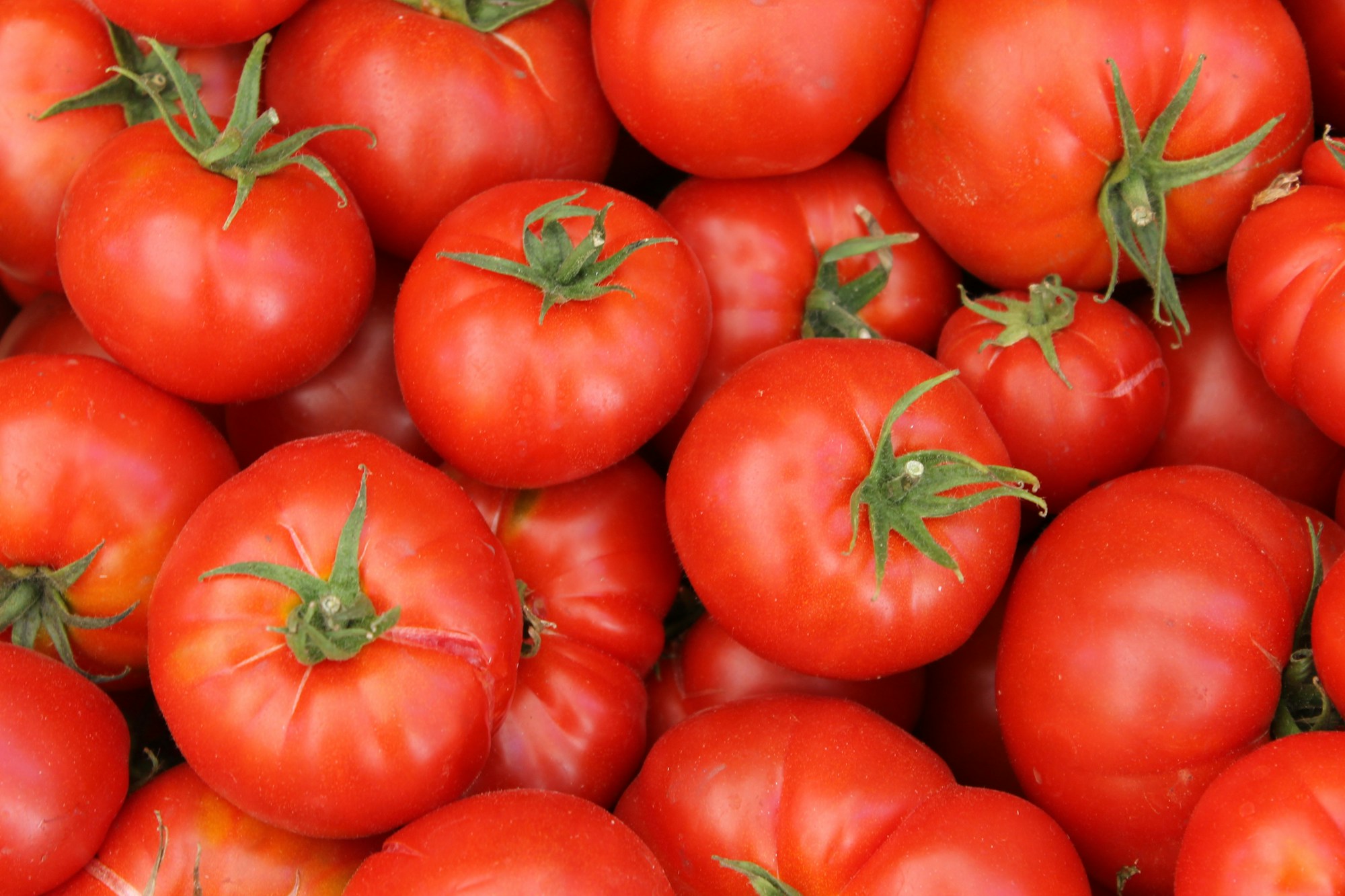
Every Neapolitan child learns the colour of the tomato before learning to read. I was no exception. Today, after almost forty years in Japan, Italian tomatoes are still the first thing I taste when I want to understand whether a pizza, a sauce or a whole kitchen is telling the truth. This November the tomato is in the news again, and I want to tell you why it matters so much to me.
On 18 and 19 November, at the European Pizza Show in London, Italian and European canned tomatoes had a stage of their own, with live pizza demonstrations under the name “Red Gold from Europe”. A few weeks earlier, Italy had closed the books on its 2026 harvest. Red gold: we Italians have called the tomato this for generations, and the name has never been more accurate.
The 2026 season in numbers
Italy processed 6.3 million tonnes of tomatoes this year, more than last year, on more than 86,000 hectares. Only the United States produces more, and China comes after us. For a country the size of Italy, this is extraordinary.
But the numbers hide a harder story. In the North, the fields suffered heatwaves, drought, hailstorms and a shortage of water, and yields were the worst in five years. In the Centre and South, the season started early and ran until the end of October: long, tiring and expensive. During the processing weeks, gas cost more than twice as much as in 2025, and electricity almost 80 percent more. The industry is already saying that 2027 must be planned with great care.
And still, the world wants more. In the first seven months of 2026, Italian tomato exports to the United States grew by more than 12 percent in value. People are not buying a commodity. They are buying a place, a method and a taste.

Why Italian tomatoes are the soul of Neapolitan pizza
In Italy, about seven pizzas out of ten are made with tomato. A Marinara is only tomato, garlic, oregano and olive oil. There is nowhere to hide. If the tomato is flat, the pizza is flat.
I started out as a pizzaiuolo, and one of the first lessons I received was about the tomato, not the dough. A good tomato for pizza must be sweet and acidic at the same time, with firm flesh, few seeds and a bright red colour that stays alive in the oven. We crush it by hand, season it with a little salt, and we do not cook it before it goes on the pizza. The fire of the oven does the rest in sixty to ninety seconds. Simple. And for this reason, very difficult.
San Marzano: a name to protect
Of all Italian tomatoes, the most famous is the San Marzano. The real one has a long name: Pomodoro San Marzano dell’Agro Sarnese-Nocerino DOP. It grows only in a defined area between the provinces of Naples, Salerno and Avellino, on volcanic soil, from authorised varieties, and it is processed under strict rules.
Many cans around the world print “San Marzano” on the label. Only some are the real thing. When you buy, look for three signs: the European DOP mark, the seal of the protection consortium and the authorised numbering. It is the same battle I know from Mozzarella di Bufala Campana DOP, which I represent as a global ambassador. A name is a promise, and a promise must be protected.

When the climate changes, the tomato tells you first
When I talk with producers today, the conversation sounds more and more like a weather report. A tomato is mostly water and sun. When summer brings too much heat and too little rain, you see it in the yield, and sometimes in the fruit itself.
At Casa Cuomo Farm in Hita, in Oita, we are learning the same lesson on a smaller scale: soil, water, sun, timing. You can have the best recipe in the world, but if the raw material suffers, the plate suffers. This is why I have so much respect for farmers.
From Campania to Japan, without shortcuts
When I opened my first restaurant in Nakameguro in 1995, Neapolitan pizza was almost unknown in Japan. Mozzarella di bufala was not yet available on the market, and the right ingredients were not easy to find. We had to fight for every ingredient and explain every choice. Thirty years later, I still believe that the ingredient is the first argument.
Today the same principle guides my work with Italyeria. At our production lab in Oita we prepare Italian food at the level of a restaurant kitchen, frozen at the right moment and delivered to homes all over Japan. When we develop a pizza or a pasta sauce, the tomato is where the conversation starts. No shortcuts: if the base is not right, nothing you put on top can save it.

To understand what makes a San Marzano DOP authentic, from the field to the can, this short video from the protection consortium explains it better than any label.
So the next time you open a can of Italian tomatoes, take a moment. Smell it. Taste a spoonful before you cook. Behind that red there are fields that survived a hot summer, people who worked until the end of October, and a culture that has fed Naples for generations. That is the real red gold, and it deserves our respect.
Salvatore Cuomo
イタリアのトマト ― ナポリピッツァを支える「赤い黄金」
ナポリの子どもは、字を覚えるより先にトマトの色を覚えます。私もそうでした。日本で40年近くを過ごした今でも、ピッツァやソース、あるいはひとつの厨房が本物かどうかを知りたいとき、私が最初に味わうのはイタリアのトマトです。この11月、トマトが再びニュースになっています。なぜそれが私にとってこれほど大切なのか、お話ししたいと思います。
11月18日と19日、ロンドンで開かれた「ヨーロピアン・ピッツァ・ショー」では、イタリアとヨーロッパのトマト缶が「Red Gold from Europe(ヨーロッパの赤い黄金)」の名のもと、ピッツァの実演とともに主役のひとつになりました。その数週間前には、イタリアで2026年の収穫の総決算が発表されています。「赤い黄金」――私たちイタリア人は何世代も前からトマトをそう呼んできましたが、今ほどこの言葉がぴったりな時はありません。
数字で見る2026年のシーズン
今年イタリアで加工されたトマトは630万トン。昨年を上回り、栽培面積は8万6千ヘクタールを超えました。これより多く生産しているのはアメリカだけで、中国はイタリアの後に続きます。イタリアほどの大きさの国としては、驚くべき数字です。
しかし、数字の裏にはもっと厳しい物語があります。北部の畑は猛暑、干ばつ、雹、水不足に見舞われ、収量はこの5年で最悪でした。中部・南部では、シーズンが早く始まって10月末まで続き、長く、疲れる、そして費用のかかる年になりました。加工の時期、ガス代は2025年の2倍以上、電気代も8割近く上がりました。業界ではすでに、2027年は慎重に計画しなければならないという声が上がっています。
それでも、世界はもっとイタリアのトマトを求めています。2026年の最初の7か月で、アメリカ向けのイタリア産トマト製品の輸出額は12%以上伸びました。人々が買っているのは単なる商品ではありません。土地と、作り方と、味を買っているのです。
イタリアのトマトがナポリピッツァの魂である理由
イタリアでは、ピッツァのおよそ10枚に7枚がトマトを使っています。マリナーラはトマト、にんにく、オレガノ、オリーブオイルだけ。ごまかしがききません。トマトに力がなければ、ピッツァにも力がありません。
私はピッツァ職人(ピッツァイオーロ)として出発しましたが、最初に教わったことのひとつは、生地ではなくトマトのことでした。ピッツァに向くトマトは、甘みと酸味を同時に持ち、果肉がしっかりして種が少なく、窯の中でも生き生きとした赤を保つものでなければなりません。手でつぶし、少しの塩で味をととのえ、ピッツァにのせる前に火は通しません。あとは窯の炎が60秒から90秒で仕上げてくれます。シンプルです。だからこそ、とても難しいのです。
サン・マルツァーノ ― 守るべき名前
イタリアのトマトの中でいちばん有名なのは、サン・マルツァーノです。本物には長い名前があります。「ポモドーロ・サン・マルツァーノ・デッラーグロ・サルネーゼ・ノチェリーノDOP」。ナポリ、サレルノ、アヴェッリーノの3県にまたがる限られた地域の火山性の土壌で、認められた品種だけから育てられ、厳しい規則のもとで加工されます。
世界中で多くの缶が「サン・マルツァーノ」とラベルに書いています。けれども、本物はその一部だけです。購入するときは、3つのしるしを確かめてください。ヨーロッパのDOPマーク、保護協会の証紙、そして認可された番号です。これは、私がグローバル・アンバサダーを務めるモッツァレッラ・ディ・ブーファラ・カンパーナDOPでよく知っている闘いと同じです。名前は約束であり、約束は守られなければなりません。
気候が変わると、最初に教えてくれるのはトマト
最近、生産者と話すと、会話はますます天気予報のようになってきました。トマトはほとんどが水と太陽でできています。夏が暑すぎて雨が少なすぎれば、それは収量に、ときには実そのものに表れます。
大分県日田市のCasa Cuomo Farmでも、私たちは小さな規模で同じことを学んでいます。土、水、太陽、そしてタイミング。世界一のレシピがあっても、原料が苦しめば、料理も苦しみます。だからこそ、私は農家の方々を心から尊敬しています。
カンパーニアから日本へ、近道なしで
1995年に中目黒で最初の店を開いたとき、日本ではナポリピッツァはほとんど知られていませんでした。モッツァレッラ・ディ・ブーファラはまだ市場になく、ふさわしい食材を見つけるのも簡単ではありませんでした。ひとつひとつの食材のために闘い、ひとつひとつの選択を説明しなければなりませんでした。30年たった今も、食材こそが最初の説得力だと信じています。
今、同じ考え方が、Italyeriaでの私の仕事を導いています。大分の製造ラボでは、レストランの厨房と同じレベルでイタリア料理を仕込み、最適なタイミングで冷凍して、日本全国のご家庭へお届けしています。ピッツァやパスタソースを開発するとき、話はいつもトマトから始まります。近道はありません。土台が正しくなければ、上に何をのせても救うことはできないのです。
サン・マルツァーノDOPが本物である理由を、畑から缶詰まで知るには、保護協会によるこの短い動画が、どんなラベルよりもよく説明してくれます。
ですから、次にイタリアのトマト缶を開けるときは、少しだけ時間をとってください。香りをかいで、料理する前にひとさじ味わってみてください。その赤の向こうには、暑い夏を乗り越えた畑と、10月末まで働き続けた人々と、何世代にもわたってナポリを養ってきた文化があります。それこそが本当の「赤い黄金」であり、私たちの敬意に値するものです。
サルヴァトーレ・クオモ
Pomodori italiani: l’oro rosso dietro ogni pizza napoletana
Ogni bambino napoletano impara il colore del pomodoro prima ancora di imparare a leggere. Io non ho fatto eccezione. Oggi, dopo quasi quarant’anni in Giappone, i pomodori italiani sono ancora la prima cosa che assaggio quando voglio capire se una pizza, una salsa o un’intera cucina dice la verità. In questo novembre il pomodoro è di nuovo nelle notizie, e voglio raccontarvi perché per me conta così tanto.
Il 18 e 19 novembre, all’European Pizza Show di Londra, i pomodori in scatola italiani ed europei hanno avuto un palco tutto loro, con dimostrazioni di pizza dal vivo sotto il nome “Red Gold from Europe”. Qualche settimana prima, l’Italia aveva chiuso i conti della campagna 2026. Oro rosso: noi italiani chiamiamo così il pomodoro da generazioni, e questo nome non è mai stato tanto giusto.
La stagione 2026 in numeri
Quest’anno l’Italia ha trasformato 6,3 milioni di tonnellate di pomodoro, più dell’anno scorso, su oltre 86.000 ettari. Solo gli Stati Uniti producono di più, e la Cina viene dopo di noi. Per un Paese grande come l’Italia, è un risultato straordinario.
Ma i numeri nascondono una storia più dura. Al Nord i campi hanno sofferto ondate di calore, siccità, grandinate e poca acqua, e le rese sono state le peggiori degli ultimi cinque anni. Al Centro-Sud la campagna è partita presto ed è durata fino alla fine di ottobre: lunga, faticosa e costosa. Nelle settimane di trasformazione il gas è costato più del doppio rispetto al 2025, e l’energia elettrica quasi l’80 per cento in più. Il settore dice già che il 2027 va programmato con grande attenzione.
Eppure il mondo ne vuole di più. Nei primi sette mesi del 2026 le esportazioni di pomodoro italiano negli Stati Uniti sono cresciute di oltre il 12 per cento in valore. La gente non compra una materia prima qualsiasi. Compra un luogo, un metodo e un sapore.
Perché i pomodori italiani sono l’anima della pizza napoletana
In Italia circa sette pizze su dieci si fanno con il pomodoro. Una Marinara è solo pomodoro, aglio, origano e olio d’oliva. Non c’è dove nascondersi. Se il pomodoro è piatto, la pizza è piatta.
Ho cominciato come pizzaiuolo, e una delle prime lezioni che ho ricevuto riguardava il pomodoro, non l’impasto. Un buon pomodoro da pizza deve essere dolce e acido allo stesso tempo, con polpa soda, pochi semi e un rosso vivo che resta vivo anche nel forno. Lo schiacciamo a mano, lo condiamo con un po’ di sale e non lo cuociamo prima di metterlo sulla pizza. Il fuoco del forno fa il resto in sessanta, novanta secondi. Semplice. E proprio per questo, difficilissimo.
San Marzano: un nome da proteggere
Tra tutti i pomodori italiani, il più famoso è il San Marzano. Quello vero ha un nome lungo: Pomodoro San Marzano dell’Agro Sarnese-Nocerino DOP. Cresce solo in un’area definita tra le province di Napoli, Salerno e Avellino, su terreni vulcanici, da varietà autorizzate, e viene trasformato secondo regole severe.
In tutto il mondo tante scatole scrivono “San Marzano” sull’etichetta. Solo alcune sono quelle vere. Quando comprate, cercate tre segni: il marchio europeo DOP, il bollino del consorzio di tutela e la numerazione autorizzata. È la stessa battaglia che conosco bene con la Mozzarella di Bufala Campana DOP, di cui sono ambasciatore nel mondo. Un nome è una promessa, e una promessa va protetta.
Quando il clima cambia, il pomodoro te lo dice per primo
Oggi, quando parlo con i produttori, la conversazione somiglia sempre di più a un bollettino meteo. Il pomodoro è fatto soprattutto di acqua e di sole. Quando l’estate porta troppo caldo e troppa poca pioggia, lo vedi nella resa, e a volte nel frutto stesso.
Alla Casa Cuomo Farm di Hita, in provincia di Oita, stiamo imparando la stessa lezione su scala più piccola: terra, acqua, sole, tempi giusti. Puoi avere la ricetta migliore del mondo, ma se la materia prima soffre, soffre anche il piatto. Per questo ho tanto rispetto per gli agricoltori.
Dalla Campania al Giappone, senza scorciatoie
Quando ho aperto il mio primo ristorante a Nakameguro nel 1995, la pizza napoletana in Giappone era quasi sconosciuta. La mozzarella di bufala non si trovava ancora sul mercato, e gli ingredienti giusti non erano facili da reperire. Dovevamo lottare per ogni ingrediente e spiegare ogni scelta. Trent’anni dopo, credo ancora che l’ingrediente sia il primo argomento.
Oggi lo stesso principio guida il mio lavoro con Italyeria. Nel nostro laboratorio di produzione a Oita prepariamo cucina italiana al livello di una cucina di ristorante, surgelata al momento giusto e consegnata nelle case di tutto il Giappone. Quando sviluppiamo una pizza o un sugo per la pasta, il discorso comincia sempre dal pomodoro. Niente scorciatoie: se la base non è giusta, niente di quello che ci metti sopra può salvarla.
Per capire che cosa rende autentico un San Marzano DOP, dal campo alla scatola, questo breve video del consorzio di tutela lo spiega meglio di qualsiasi etichetta.
Allora, la prossima volta che aprite una scatola di pomodori italiani, fermatevi un momento. Sentitene il profumo. Assaggiatene un cucchiaio prima di cucinare. Dietro quel rosso ci sono campi che hanno resistito a un’estate rovente, persone che hanno lavorato fino alla fine di ottobre e una cultura che nutre Napoli da generazioni. Questo è il vero oro rosso, e merita il nostro rispetto.
Salvatore Cuomo
Tomates italiennes : l’or rouge derrière chaque pizza napolitaine
Chaque enfant napolitain apprend la couleur de la tomate avant même d’apprendre à lire. Je n’ai pas fait exception. Aujourd’hui, après près de quarante ans au Japon, les tomates italiennes sont toujours la première chose que je goûte quand je veux savoir si une pizza, une sauce ou une cuisine entière dit la vérité. En ce mois de novembre, la tomate fait de nouveau l’actualité, et je veux vous expliquer pourquoi elle compte tant pour moi.
Les 18 et 19 novembre, à l’European Pizza Show de Londres, les tomates en conserve italiennes et européennes ont eu leur propre scène, avec des démonstrations de pizza en direct sous le nom « Red Gold from Europe ». Quelques semaines plus tôt, l’Italie avait bouclé le bilan de sa récolte 2026. L’or rouge : nous, Italiens, appelons ainsi la tomate depuis des générations, et ce nom n’a jamais été aussi juste.
La saison 2026 en chiffres
Cette année, l’Italie a transformé 6,3 millions de tonnes de tomates, davantage que l’an dernier, sur plus de 86 000 hectares. Seuls les États-Unis produisent plus, et la Chine arrive après nous. Pour un pays de la taille de l’Italie, c’est extraordinaire.
Mais les chiffres cachent une histoire plus dure. Dans le Nord, les champs ont subi canicules, sécheresse, grêle et manque d’eau, et les rendements ont été les pires depuis cinq ans. Dans le Centre et le Sud, la campagne a commencé tôt et a duré jusqu’à la fin octobre : longue, épuisante et coûteuse. Pendant les semaines de transformation, le gaz a coûté plus du double de 2025, et l’électricité près de 80 % de plus. La filière dit déjà que 2027 devra être planifiée avec un grand soin.
Et pourtant, le monde en veut davantage. Au cours des sept premiers mois de 2026, les exportations de tomates italiennes vers les États-Unis ont progressé de plus de 12 % en valeur. Les gens n’achètent pas une simple matière première. Ils achètent un lieu, une méthode et un goût.
Pourquoi les tomates italiennes sont l’âme de la pizza napolitaine
En Italie, environ sept pizzas sur dix sont faites avec de la tomate. Une Marinara, ce n’est que tomate, ail, origan et huile d’olive. Impossible de tricher. Si la tomate est fade, la pizza est fade.
J’ai commencé comme pizzaiuolo, et l’une des premières leçons que j’ai reçues portait sur la tomate, pas sur la pâte. Une bonne tomate pour la pizza doit être à la fois douce et acide, avec une chair ferme, peu de pépins et un rouge éclatant qui reste vivant dans le four. Nous l’écrasons à la main, nous l’assaisonnons d’un peu de sel et nous ne la cuisons pas avant de la mettre sur la pizza. Le feu du four fait le reste en soixante à quatre-vingt-dix secondes. Simple. Et pour cette raison, très difficile.
San Marzano : un nom à protéger
De toutes les tomates italiennes, la plus célèbre est la San Marzano. La vraie porte un long nom : Pomodoro San Marzano dell’Agro Sarnese-Nocerino DOP. Elle ne pousse que dans une zone délimitée entre les provinces de Naples, Salerne et Avellino, sur des sols volcaniques, à partir de variétés autorisées, et elle est transformée selon des règles strictes.
Dans le monde entier, beaucoup de boîtes affichent « San Marzano » sur l’étiquette. Seules certaines sont authentiques. Quand vous achetez, cherchez trois signes : le logo européen DOP, le sceau du consortium de protection et la numérotation autorisée. C’est le même combat que je connais bien avec la Mozzarella di Bufala Campana DOP, dont je suis ambassadeur dans le monde. Un nom est une promesse, et une promesse doit être protégée.
Quand le climat change, la tomate vous le dit en premier
Aujourd’hui, quand je parle avec les producteurs, la conversation ressemble de plus en plus à un bulletin météo. Une tomate, c’est surtout de l’eau et du soleil. Quand l’été apporte trop de chaleur et trop peu de pluie, on le voit dans le rendement, et parfois dans le fruit lui-même.
À la Casa Cuomo Farm de Hita, dans la préfecture d’Oita, nous apprenons la même leçon à plus petite échelle : la terre, l’eau, le soleil, le bon moment. On peut avoir la meilleure recette du monde, mais si la matière première souffre, l’assiette souffre aussi. C’est pourquoi j’ai tant de respect pour les agriculteurs.
De la Campanie au Japon, sans raccourcis
Quand j’ai ouvert mon premier restaurant à Nakameguro en 1995, la pizza napolitaine était presque inconnue au Japon. La mozzarella di bufala n’était pas encore disponible sur le marché, et les bons ingrédients n’étaient pas faciles à trouver. Il fallait se battre pour chaque ingrédient et expliquer chaque choix. Trente ans plus tard, je crois toujours que l’ingrédient est le premier argument.
Aujourd’hui, le même principe guide mon travail avec Italyeria. Dans notre laboratoire de production à Oita, nous préparons une cuisine italienne au niveau d’une cuisine de restaurant, surgelée au bon moment et livrée dans les foyers de tout le Japon. Quand nous développons une pizza ou une sauce pour les pâtes, la discussion commence toujours par la tomate. Pas de raccourcis : si la base n’est pas juste, rien de ce que l’on met dessus ne peut la sauver.
Pour comprendre ce qui rend une San Marzano DOP authentique, du champ à la boîte, cette courte vidéo du consortium de protection l’explique mieux que n’importe quelle étiquette.
Alors, la prochaine fois que vous ouvrirez une boîte de tomates italiennes, prenez un instant. Respirez-la. Goûtez-en une cuillerée avant de cuisiner. Derrière ce rouge, il y a des champs qui ont survécu à un été brûlant, des personnes qui ont travaillé jusqu’à la fin octobre et une culture qui nourrit Naples depuis des générations. C’est cela, le véritable or rouge, et il mérite notre respect.
Salvatore Cuomo
이탈리아 토마토: 모든 나폴리 피자를 받치는 ‘붉은 황금’
나폴리의 아이들은 글을 배우기 전에 토마토의 색을 먼저 배웁니다. 저도 그랬습니다. 일본에서 40년 가까이 지낸 지금도, 피자나 소스, 혹은 하나의 주방이 진실을 말하고 있는지 알고 싶을 때 제가 가장 먼저 맛보는 것은 이탈리아 토마토입니다. 올 11월, 토마토가 다시 뉴스에 올랐습니다. 왜 토마토가 제게 이토록 중요한지 이야기하고 싶습니다.
11월 18일과 19일 런던에서 열린 ‘유러피언 피자 쇼’에서는 이탈리아와 유럽의 토마토 통조림이 ‘Red Gold from Europe(유럽의 붉은 황금)’이라는 이름으로 라이브 피자 시연과 함께 별도의 무대를 가졌습니다. 그보다 몇 주 전, 이탈리아는 2026년 수확의 최종 결산을 발표했습니다. 붉은 황금 ― 우리 이탈리아 사람들은 여러 세대에 걸쳐 토마토를 그렇게 불러 왔고, 지금만큼 이 이름이 꼭 맞는 때는 없었습니다.
숫자로 보는 2026년 시즌
올해 이탈리아에서 가공된 토마토는 630만 톤으로 작년보다 늘었고, 재배 면적은 8만 6천 헥타르를 넘었습니다. 이보다 많이 생산하는 나라는 미국뿐이며, 중국이 그 뒤를 잇습니다. 이탈리아 정도 크기의 나라로서는 놀라운 결과입니다.
하지만 숫자 뒤에는 더 힘든 이야기가 숨어 있습니다. 북부의 밭은 폭염과 가뭄, 우박, 물 부족을 겪었고, 수확량은 최근 5년 중 최악이었습니다. 중부와 남부에서는 시즌이 일찍 시작되어 10월 말까지 이어졌습니다. 길고, 고되고, 비용이 많이 드는 한 해였습니다. 가공 기간 동안 가스 요금은 2025년의 두 배가 넘었고, 전기 요금도 80% 가까이 올랐습니다. 업계에서는 벌써 2027년을 아주 신중하게 계획해야 한다는 목소리가 나오고 있습니다.
그럼에도 세계는 더 많은 이탈리아 토마토를 원합니다. 2026년 첫 7개월 동안 미국으로 향한 이탈리아 토마토 제품의 수출액은 12% 넘게 늘었습니다. 사람들이 사는 것은 단순한 원자재가 아닙니다. 그들은 하나의 땅과 방법, 그리고 맛을 사고 있는 것입니다.
이탈리아 토마토가 나폴리 피자의 영혼인 이유
이탈리아에서는 피자 열 판 중 약 일곱 판이 토마토로 만들어집니다. 마리나라는 토마토, 마늘, 오레가노, 올리브 오일뿐입니다. 숨을 곳이 없습니다. 토마토에 힘이 없으면 피자에도 힘이 없습니다.
저는 피자이올로로 출발했고, 제가 처음 배운 것 가운데 하나는 반죽이 아니라 토마토에 관한 것이었습니다. 피자에 맞는 좋은 토마토는 단맛과 산미를 함께 지니고, 과육이 단단하며 씨가 적고, 화덕 안에서도 생생한 붉은색을 유지해야 합니다. 손으로 으깨고, 소금을 조금 넣어 간을 하고, 피자에 올리기 전에는 익히지 않습니다. 나머지는 화덕의 불이 60초에서 90초 만에 완성해 줍니다. 단순합니다. 그래서 더욱 어렵습니다.
산 마르차노: 지켜야 할 이름
이탈리아 토마토 가운데 가장 유명한 것은 산 마르차노입니다. 진짜 산 마르차노에는 긴 이름이 있습니다. ‘포모도로 산 마르차노 델라그로 사르네제-노체리노 DOP’. 나폴리, 살레르노, 아벨리노 세 주에 걸친 정해진 지역의 화산 토양에서, 허가된 품종으로만 재배되며, 엄격한 규정에 따라 가공됩니다.
전 세계의 많은 통조림이 라벨에 ‘산 마르차노’라고 적고 있습니다. 하지만 진짜는 그중 일부뿐입니다. 구입하실 때에는 세 가지 표시를 확인해 주십시오. 유럽의 DOP 마크, 보호 협회의 인증 씰, 그리고 허가된 일련번호입니다. 이는 제가 글로벌 앰배서더로 활동하고 있는 모차렐라 디 부팔라 캄파나 DOP에서 잘 알고 있는 싸움과 같습니다. 이름은 약속이며, 약속은 지켜져야 합니다.
기후가 바뀌면 토마토가 가장 먼저 알려 준다
요즘 생산자들과 이야기를 나누면 대화가 점점 일기예보처럼 들립니다. 토마토는 대부분 물과 햇빛으로 이루어져 있습니다. 여름이 너무 덥고 비가 너무 적으면, 그것은 수확량에, 때로는 열매 자체에 그대로 드러납니다.
오이타현 히타시의 Casa Cuomo Farm에서도 우리는 더 작은 규모로 같은 교훈을 배우고 있습니다. 흙, 물, 햇빛, 그리고 시기. 세계 최고의 레시피가 있어도 원재료가 힘들면 요리도 힘들어집니다. 그래서 저는 농부들을 깊이 존경합니다.
캄파니아에서 일본까지, 지름길 없이
1995년 나카메구로에 첫 레스토랑을 열었을 때, 일본에서 나폴리 피자는 거의 알려져 있지 않았습니다. 모차렐라 디 부팔라는 아직 시장에 없었고, 알맞은 식재료를 구하기도 쉽지 않았습니다. 우리는 재료 하나하나를 위해 싸우고, 선택 하나하나를 설명해야 했습니다. 30년이 지난 지금도 저는 식재료가 첫 번째 설득력이라고 믿습니다.
지금은 같은 원칙이 Italyeria에서의 제 일을 이끌고 있습니다. 오이타의 생산 랩에서 우리는 레스토랑 주방 수준으로 이탈리아 요리를 준비하고, 가장 알맞은 순간에 냉동하여 일본 전국의 가정으로 배송합니다. 피자나 파스타 소스를 개발할 때, 이야기는 언제나 토마토에서 시작됩니다. 지름길은 없습니다. 바탕이 바르지 않으면, 그 위에 무엇을 올려도 살릴 수 없습니다.
밭에서 통조림까지, 산 마르차노 DOP가 진짜인 이유를 알고 싶다면, 보호 협회가 만든 이 짧은 영상이 어떤 라벨보다도 잘 설명해 줍니다.
그러니 다음에 이탈리아 토마토 통조림을 열 때에는 잠시 시간을 내어 보십시오. 향을 맡고, 요리하기 전에 한 숟가락 맛보십시오. 그 붉은색 너머에는 뜨거운 여름을 견뎌 낸 밭과, 10월 말까지 일한 사람들과, 여러 세대에 걸쳐 나폴리를 먹여 온 문화가 있습니다. 그것이 진정한 붉은 황금이며, 우리의 존경을 받을 자격이 있습니다.
살바토레 쿠오모
意大利番茄:每一张那不勒斯披萨背后的“红色黄金”
每个那不勒斯孩子,在学会认字之前就先认识了番茄的颜色。我也不例外。在日本生活了近四十年的今天,当我想知道一张披萨、一份酱汁,甚至一整个厨房是否诚实时,我第一个品尝的依然是意大利番茄。这个十一月,番茄再次成为新闻焦点,我想和大家聊聊,为什么它对我如此重要。
11月18日和19日,在伦敦举办的“欧洲披萨展”上,意大利和欧洲的番茄罐头以“Red Gold from Europe(欧洲红色黄金)”之名拥有了自己的舞台,并配有现场披萨演示。几周之前,意大利刚刚公布了2026年番茄收获季的最终结算。“红色黄金”——我们意大利人世世代代都这样称呼番茄,而这个名字从未像今天这样贴切。
用数字看2026年的番茄季
今年意大利共加工番茄630万吨,比去年更多,种植面积超过8.6万公顷。产量比意大利更高的只有美国,中国排在我们之后。对意大利这样大小的国家来说,这是了不起的成绩。
但数字背后,是一个更艰难的故事。北部的田地遭遇了热浪、干旱、冰雹和缺水,单产是五年来最差的。中南部的番茄季开始得早,一直持续到十月底:漫长、辛苦,而且成本高昂。在加工的那几周里,燃气价格是2025年的两倍多,电价也上涨了近八成。业内已经在说,2027年必须非常谨慎地规划。
即便如此,世界还想要更多。2026年前七个月,意大利番茄制品对美国的出口额增长了12%以上。人们买的并不是一种普通的原料,而是一片土地、一种方法和一种味道。
为什么意大利番茄是那不勒斯披萨的灵魂
在意大利,大约每十张披萨中就有七张使用番茄。一张玛丽娜拉披萨只有番茄、大蒜、牛至和橄榄油,没有任何可以掩饰的地方。番茄没有味道,披萨也就没有味道。
我最初是从披萨师傅做起的,我学到的最早的功课之一,讲的是番茄,而不是面团。适合做披萨的好番茄,必须同时带有甜味和酸味,果肉紧实、籽少,红色鲜亮,即使进了烤炉也依然鲜活。我们用手把它压碎,加一点盐调味,放上披萨之前不经过任何烹煮。剩下的交给烤炉的火焰,六十到九十秒便能完成。很简单,也正因为简单,才非常难。
圣马尔扎诺:一个需要守护的名字
在所有意大利番茄中,最有名的是圣马尔扎诺。真正的圣马尔扎诺有一个很长的名字:“萨尔内塞-诺切里诺平原圣马尔扎诺番茄DOP”。它只生长在那不勒斯、萨莱诺和阿韦利诺三省之间的特定区域,种植于火山土壤,只使用获准的品种,并按照严格的规则进行加工。
世界各地有很多罐头在标签上写着“圣马尔扎诺”,但只有一部分是真的。购买时,请认准三个标志:欧盟DOP标志、保护协会的认证封签,以及获准的编号。这和我作为全球大使所代表的坎帕尼亚水牛马苏里拉奶酪DOP所经历的,是同一场战斗。名字就是承诺,而承诺必须被守护。
气候变化时,番茄最先告诉你
如今和生产者聊天,谈话越来越像天气预报。番茄的主要成分就是水和阳光。当夏天太热、雨水太少,你会在产量上看到它,有时甚至在果实本身上看到它。
在大分县日田市的 Casa Cuomo Farm,我们也在以更小的规模学习同样的功课:土壤、水、阳光和时机。即使拥有世界上最好的食谱,原料受苦,菜肴也会受苦。所以我对农民怀有深深的敬意。
从坎帕尼亚到日本,没有捷径
1995年我在中目黑开第一家餐厅时,那不勒斯披萨在日本几乎无人知晓。水牛马苏里拉奶酪在市场上还买不到,合适的食材也很难找到。我们必须为每一种食材而奋斗,为每一个选择作出解释。三十年后的今天,我依然相信,食材是最有说服力的第一句话。
如今,同样的原则引领着我在 Italyeria 的工作。在大分的生产实验室里,我们以餐厅厨房的水准制作意大利料理,在最合适的时刻速冻,然后配送到日本全国的家庭。每当我们开发一款披萨或意面酱,话题总是从番茄开始。没有捷径:如果基础不对,上面放什么都救不回来。
想了解是什么让圣马尔扎诺DOP番茄真正正宗,从田间到罐头,这段由保护协会制作的短片,比任何标签都说得更清楚。
所以,下次你打开一罐意大利番茄时,请停下来片刻。闻一闻它的香气,在烹饪之前先尝一勺。在那抹红色背后,是熬过炎热夏天的田地,是一直工作到十月底的人们,是世世代代养育着那不勒斯的文化。这才是真正的红色黄金,它值得我们的尊重。
萨尔瓦托雷·库莫
Photos: Martins Cardoso, Dan Gold, stephan de MARANTHI, Alfonso Scarpa / Unsplash. Video: Consorzio di Tutela del Pomodoro San Marzano dell’Agro Sarnese-Nocerino DOP. Sources: ANICAV via Tomato News (3 November 2026), Il Sole 24 Ore (3 November 2026), Il Sole 24 Ore (16 October 2026), PR Newswire, Red Gold from Europe at the European Pizza Show 2026, Food & Beverage Magazine (22 November 2026), Avvenire (16 January 2026)



Leave a Reply